5 Fun Facts About Rum You Probably Didn’t Know
More Than Just a Pirate’s Drink
When you think of rum, you might picture pirates, tropical beaches, or a classic spiced rum and cola.
But there’s far more to this iconic spirit than meets the eye.
From its surprising role in global trade to its rich and complex production across the world—including right here in the UK—rum has a story worth sipping on.
And if you’re exploring the world of British rum, there’s never been a better time to discover what makes it so special—especially producers like us here at Exmoor
Distillery crafting exceptional spirits such as Exmoor Silver Rum, Exmoor Spiced Rum, and Exmoor Aged Rum.
Let’s dive into five fascinating facts you probably didn’t know.
1. Rum Was Once Used as Currency
Long before credit cards and contactless payments, rum was as good as gold—literally.
In the 17th and 18th centuries, rum became a form of currency, especially in the Caribbean and parts of colonial America. It was traded for goods, services, and unfortunately, even people during darker periods of history.
Today, while you won’t be paying your bills with rum, its value hasn’t disappeared—it’s simply evolved. Premium bottles, especially craft British rum, are now prized for their quality and craftsmanship.
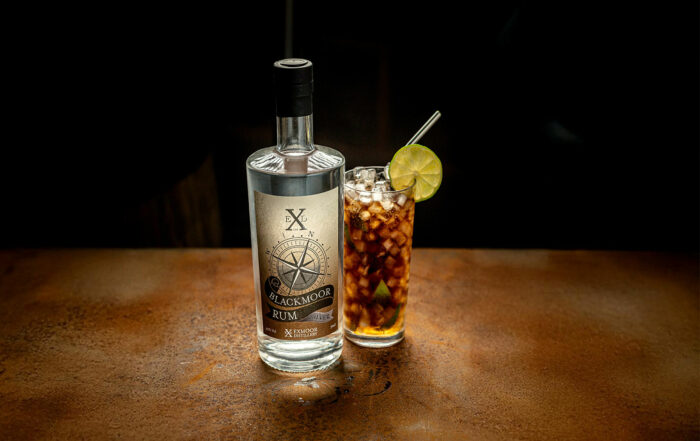
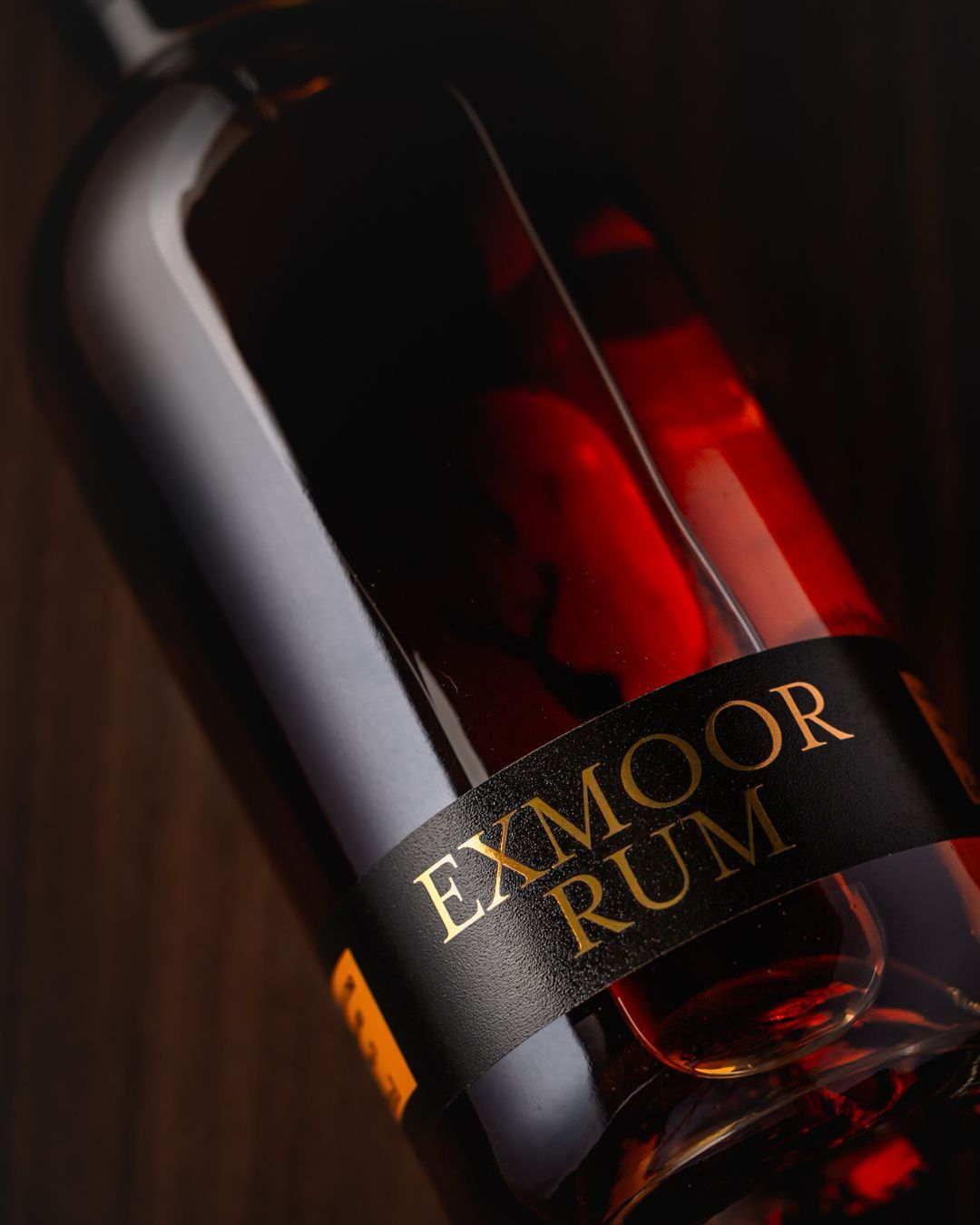
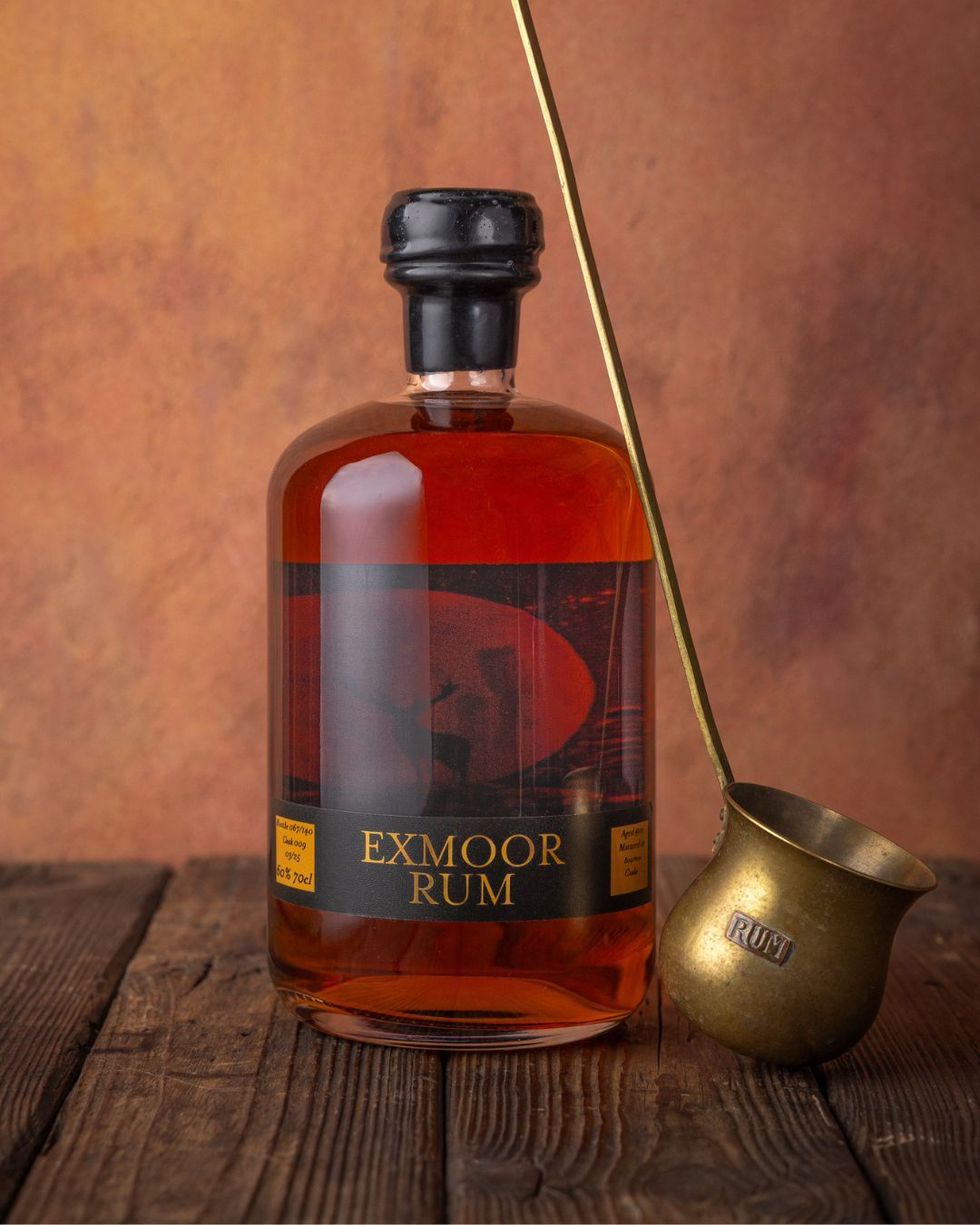
A perfect example is Exmoor Silver Rum, a clean and versatile spirit ideal for cocktails or sipping neat.
2. The British Navy Issued Daily Rum Rations (Until 1970!)
Yes—daily rum rations were a real thing.
For over 300 years, sailors in the Royal Navy were given a daily rum ration, known as a “tot.” This practice began in the 1600s and wasn’t abolished until 31 July 1970—now famously known as “Black Tot Day.”
The rum was often mixed with water to create “grog,” making it safer to drink than stagnant onboard water supplies.
That legacy still influences modern rum styles, especially bold and flavourful expressions like spiced rum, which echo the warming, robust character sailors once relied on.
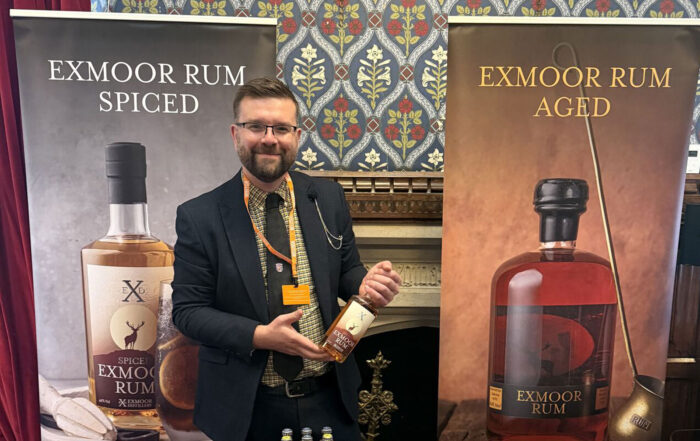
If you’re looking for a modern take, Exmoor Spiced Rum brings together rich spices and smooth rum—perfect for recreating a classic rum serve with a contemporary twist.
3. The Word “Rum” Has Mysterious Origins
No one knows exactly where the word “rum” comes from—and that’s part of its charm.
Some historians believe it derives from the Latin word “saccharum” (meaning sugar), while others think it comes from old slang words like “rumbullion,” meaning a great tumult or uproar—quite fitting for a spirit with such a lively history.
Whatever its origin, rum has evolved into one of the most diverse spirits in the world, ranging from light and crisp to deep, complex, and aged.
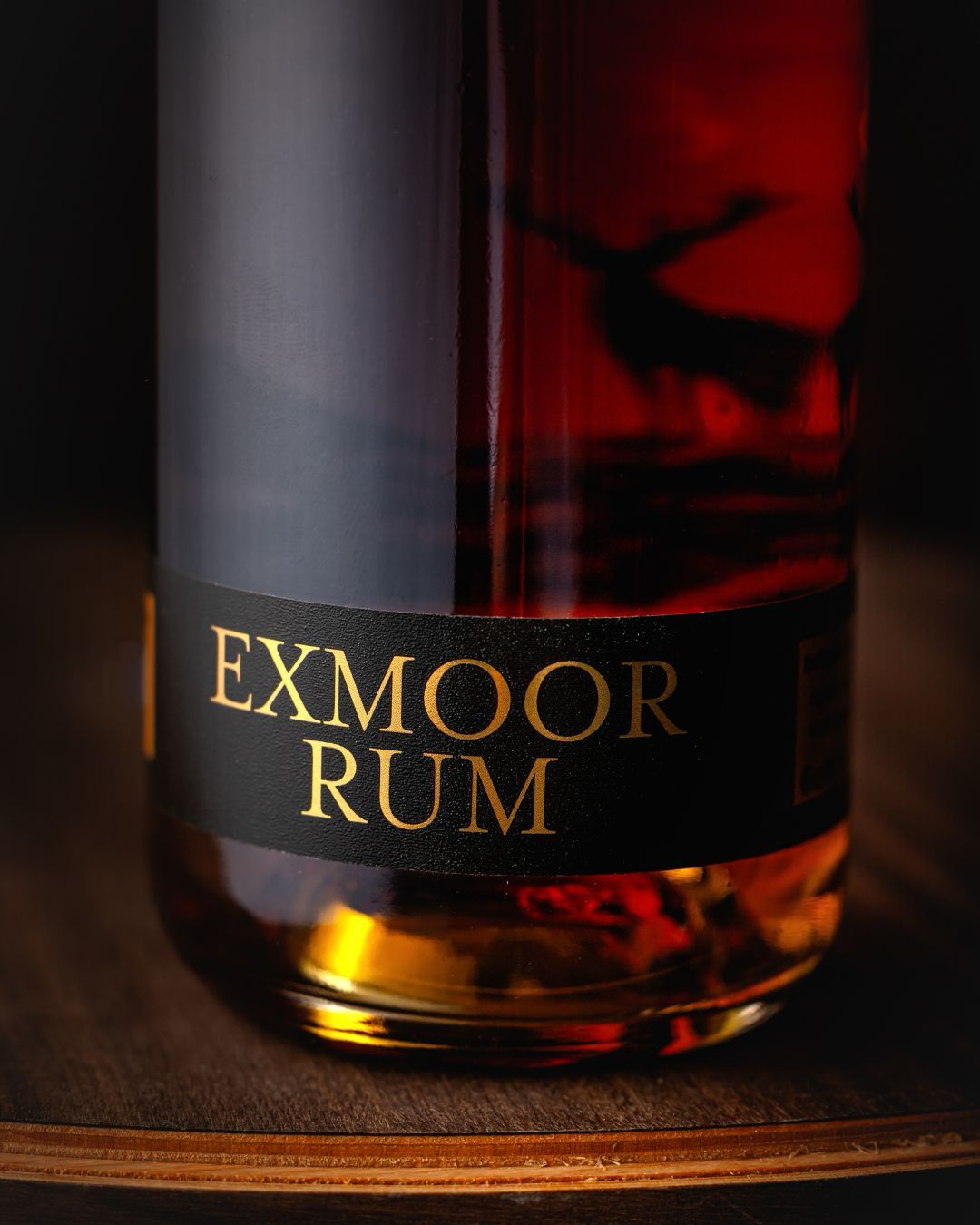
For those exploring richer flavours, Exmoor Aged Rum showcases how time in the barrel transforms rum into something smooth, layered, and full of character—perfect for sipping.
4. Rum Played a Huge Role in the Slave Trade
Not all of rum’s history is light-hearted.
Rum was a key part of the triangular trade, linking Europe, Africa, and the Caribbean. It was often traded for enslaved people, making it deeply connected to one of the darkest chapters in human history.
Understanding this history is important. Today, many modern distilleries—especially smaller producers—focus on ethical sourcing, transparency, and craftsmanship, helping reshape rum’s story for the better.
The rise of British Rum reflects this shift, with a focus on quality, sustainability, and local production.
Conclusion: A Drink with a Surprisingly Deep History
From currency and naval traditions to global trade and modern craftsmanship, rum’s story is as rich as its flavour.
Whether you’re new to rum or a long-time fan, exploring different styles—from Caribbean classics to emerging British rum—opens up a whole new world of taste.
And if you’re looking to start that journey, Exmoor Distillery offers a perfect introduction with its range of thoughtfully crafted rums—each one giving you a fresh new flavour to enjoy.